Geometry Dash SubZero
- 4.5
- Rating
- 100.00M
- Installs
- Free
- Price
 Analysis by App-foxy
I approached Geometry Dash SubZero expecting a quick arcade game and found something much more demanding: a rhythm-focused platformer built around timing, repetition, and the small satisfaction of finally clearing a section that had been stopping me. It is free, rated for Everyone, and developed by RobTop Games, so it is easy to try without making a purchase decision first. The important question is not whether it is accessible, but whether you enjoy practicing the same sequence until your hands and eyes begin to anticipate it.
This is a game for short sessions that can become surprisingly intense. A level may take only a little while to attempt, yet a single mistake sends me back into another run, encouraging the familiar “one more try” loop. The music gives each stage its identity, but the real test is whether I can connect visual cues, rhythm, and precise taps without rushing. If you want a relaxed arcade distraction, this may feel unforgiving. If you like learning patterns and improving through repetition, it has a very clear appeal.
What makes the decision easier
I find the decision easier when I separate the appeal of a quick first try from the patience it asks for afterward. The key is noticing whether a failed run makes me curious about what to adjust, or simply eager to put the phone down. That distinction is a better guide than the game’s simple controls alone, and it leads naturally to the qualities that give its challenge a recognizable character.
You May Also Like

 Blood Strike: 2.5 Anniversary
Blood Strike’s Loadouts Turn Every Drop Into a Tactical Gamble
A close look at Blood Strike’s custom loadouts: how fast access to signature weapons reshapes its battle royale rhythm, rewards preparation, and narrows the gap between fights.

 Pandora - Music & Podcasts
Pandora’s Music Is Easy to Start, but Harder to Recover
Pandora’s strength is its low-effort path from a seed to a station. Its weak spot is how much confidence it asks you to place in connection, setup, and quiet recovery.

 8 Ball Pool
 Is Built on Rivalries, Rematches, and Routine
A close look at the rivalries, rematches, shared routines, and unanswered safety questions that turn a quick pool match into a persistent mobile community.

 Samsung Music
’s Quiet Strength Is Playing What You Already Own
Its reach comes less from spectacle than from dependable access to a personal library. That simplicity is both the app’s strongest retention engine and its ceiling.

 AccuWeather: Weather Radar
AccuWeather Review: A Quick, Clear Forecast for Everyday Decisions
For everyday plans, the best forecast is the one you can understand quickly. AccuWeather makes rain timing, radar, and local conditions easy to act on, with a few trade-offs.

 Hill Climb Racing
Why Hill Climb Racing Still Turns Crashes Into One More Run
A tiny car, a bumpy hill and one more upgrade: Hill Climb Racing keeps resurfacing because its simple chaos makes every near-miss feel personal.
More From Our News Desk



A simple control scheme with demanding timing
The controls are deliberately easy to understand. I mainly tap to make the character jump or change movement at the right moment, while the level itself supplies the challenge. There is no complicated control layout to memorize, which makes the difficulty feel honest: when I fail, I usually know that my timing was late, early, or simply too confident.
That simplicity also makes the game suitable for playing with one hand during a short break. I can start an attempt quickly, but I would not describe the experience as casual in the emotional sense. The input is basic; the concentration is not. A small lapse can ruin a promising run, especially after I have already passed the parts that caused trouble earlier.
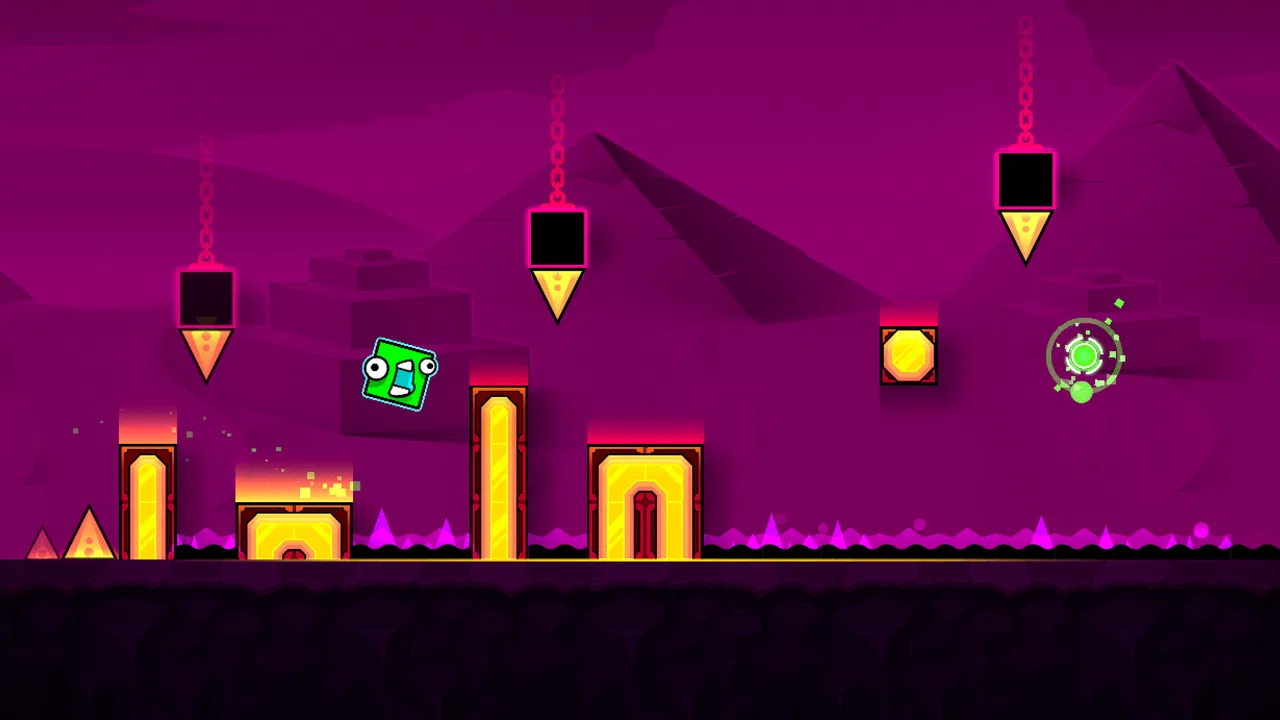
The rhythm element is more than decoration. Music helps establish a pace, and visual movement often invites me to act in time with it. Still, I learned not to rely on sound alone. Some moments require watching the path carefully rather than tapping automatically to the beat. Playing with audio makes the stages more readable for me, but visual attention remains essential.
Why repetition is the central mechanic
The game’s strongest idea is also the main test of patience. I improve by seeing the same obstacles repeatedly, remembering their order, and adjusting one action at a time. This is not a platformer where I can usually improvise my way through every hazard. Progress comes from converting a confusing sequence into a familiar one.
I found it useful to treat each failed attempt as information instead of judging the whole run. When I focused on the exact point of failure, I could return with a specific correction: tap slightly later, stop reacting to a visual distraction, or keep a steadier rhythm through a transition. That mindset matters because the game can feel unfair if every restart is viewed only as lost progress.
A practical approach is to divide a level mentally into small landmarks. I paid attention to the first obstacle after a transition, the point where the movement changed, and the section where I usually became impatient. This made practice more useful than simply replaying the entire stage without reflection. The game does not need a large rulebook to teach this habit; its structure pushes me toward it.
How it fits everyday play
I can imagine using it during a commute, while waiting for food, or between tasks when I have only a few minutes. An attempt starts quickly, and the game does not require a long story recap before I can play. That makes it more convenient than many arcade alternatives built around extended matches or lengthy progression screens.
There is a catch: the same quick-session design can make a short break unexpectedly frustrating. If I fail repeatedly near the end of a section, I may spend longer than planned trying to correct the mistake. I recommend setting a stopping point before starting, especially if you are playing before work or when you need to keep your attention for something else.
It also works better for players who enjoy focused repetition than for people looking for a social activity. The appeal comes from personal improvement and mastery, not from conversation, exploration, or a large cast of characters. I would choose it when I want a precise challenge that I can pick up alone.
Performance expectations and accessibility
The current version is 2.2.147, and it supports devices running Android 6.0 or later. That broad compatibility makes it approachable for people who are not using a recent phone, although the experience can still depend on the device’s responsiveness and touch accuracy. In a timing-based game, even a small feeling of delayed input can affect confidence, so I would test the controls before deciding that a difficult section is entirely my fault.
The Everyone age rating also makes the presentation broadly approachable. The challenge is intense, but the concept is easy to understand and does not depend on mature themes. Parents should still remember that a child-friendly rating does not mean every player will find the repeated failures comfortable. Younger players may enjoy the music and movement, while others may need encouragement to treat mistakes as part of learning.
Where the game stands out
What keeps my interest is the way a familiar sequence can gradually feel different once I stop reacting blindly and start reading its cues. I also value that the game can be approached in brief sessions without requiring a long warm-up, provided I protect those minutes from distractions. Those qualities help explain where its focused arcade design feels most distinctive.
A direct connection between music and movement
Many arcade games use music as background atmosphere. Here, I feel more involved because the audio can become part of my timing reference. Once I recognize the pulse of a section, I stop treating every obstacle as a surprise and start anticipating the next action. That creates a satisfying sense of flow when the run goes well.
The best moments happen when the visual pattern and the soundtrack seem to lock together. I am not merely avoiding objects; I am following a sequence that feels composed. This gives the game a stronger identity than a generic endless runner, where the main goal is often just to survive as long as possible.
At the same time, the music can encourage overconfidence. I sometimes tapped because a beat suggested that an action should happen, even though the visual position was not ready. My most reliable method was to use the soundtrack as a guide and the level layout as the final authority. That small distinction is useful for new players who assume every obstacle is synchronized in an obvious way.
Why the failure loop can be rewarding
The game makes failure immediate and understandable. I do not need to wait through a long animation or manage a complicated penalty system before trying again. That quick restart rhythm keeps the focus on improvement. When I finally pass a difficult sequence, the reward comes from knowing exactly which mistake I corrected.
This is also why the game can become mentally tiring. Repetition is productive only while I am still paying attention. After too many attempts, I may begin tapping automatically and repeating the same error. Taking a short break is not just a way to avoid frustration; it can genuinely help because returning with fresh attention changes how I read the pattern.
One useful habit is to stop after a successful breakthrough rather than immediately chasing a perfect run. Ending on progress gives me a clear reference point for the next session. If I continue while tired, I often turn a satisfying improvement into a string of careless failures.
Its scale makes it easy to try
The game is free, which removes the biggest barrier for someone deciding whether this style of arcade challenge suits them. Its popularity is also substantial, with over one hundred million installs and an average rating of 4.5 from around 954 thousand ratings. Those figures do not guarantee that every player will enjoy the difficulty, but they do reflect a large audience for this particular formula.
I would not treat popularity as a substitute for personal fit. A player who dislikes restarting a level may find the experience annoying even if millions of people enjoy it. Conversely, someone who likes precision games can discover a good match without needing to commit money first. The free entry point is especially useful because the game’s appeal is difficult to judge from screenshots alone.
Small techniques that improve the experience
My first recommendation is to lower distractions before attempting a difficult section. Notifications, background conversation, and hurried play all matter more here than they would in a slow puzzle game. I also found that holding the phone steadily helps me avoid confusing an accidental movement with a timing mistake.
Second, I try to identify whether a failure comes from anticipation or hesitation. These feel similar in the moment, but they require opposite corrections. If I tap before the visual cue arrives, I need to wait; if I freeze because I am watching the previous obstacle, I need to commit sooner. Naming the problem makes the next attempt more deliberate.
Third, I avoid changing my rhythm after one successful action. A common mistake is to celebrate passing an obstacle and then lose concentration immediately afterward. I learned to treat every cleared section as a transition into the next one, not as a safe pause. That is a small mental adjustment, but it prevents many avoidable failures.
What may make another arcade game a better choice
Players who prefer exploration, character collection, or a forgiving progression system may be happier with a different arcade title. This game is focused on the act of moving through designed challenges, so it may feel narrow if you want a world to wander through or a story to follow. It also does not offer the same kind of relaxed background play as a simple matching game or an idle arcade experience.
It is not my first recommendation for someone who becomes frustrated by repetition. The challenge is not a side effect; it is the core design. Even when I understand the solution, execution still matters, and knowledge does not automatically produce success. A more forgiving runner would be a better fit for players who want to make progress while only partly paying attention.
It may also be less suitable when the phone’s touch response feels inconsistent. Precision games expose hardware and control issues quickly. Before blaming yourself for every missed input, try a few basic movements in a calm setting and check whether taps feel predictable. If they do not, a slower arcade game may provide a more enjoyable experience on that device.
What switching to it really costs
The financial cost is low because the game is free, but the time and attention cost is more significant. To enjoy it fully, I need to accept that progress may come through many failed attempts rather than one smooth first playthrough. Someone switching from a relaxed arcade game should expect a different emotional rhythm: less casual distraction, more concentrated practice.
There is also a learning adjustment. In a conventional runner, I might react to whatever appears next. Here, memorizing structure becomes valuable, and I gradually replace instinctive reactions with prepared timing. That change is rewarding if I enjoy mastery, but it can feel restrictive if I want every run to be unpredictable.
The good news is that the basic control idea is easy to understand, so the switch does not require studying complex systems. The real commitment is psychological. I have to be comfortable repeating a section without interpreting failure as wasted time. Once I accepted that, the rest of the game became much easier to appreciate.
Who should install it
I recommend it to players who enjoy rhythm-based action, exact timing, and short attempts that gradually become more consistent. It is particularly appealing if you like the feeling of turning a difficult sequence into muscle memory. The free price makes it a sensible trial for anyone curious about precision arcade games, and the Everyone rating keeps its central presentation broadly accessible.
I would suggest skipping it if your ideal mobile game is calm, story-driven, social, or forgiving. I would also look elsewhere if you need a game that can be played while multitasking. This one rewards attention, and the more demanding sections punish divided focus quickly.
For me, the deciding strength is the clear relationship between input, rhythm, and improvement. I always understand what I am trying to master, even when I cannot perform it yet. That clarity gives the failures purpose. The main limitation is equally clear: the game offers little comfort when I am not in the mood to repeat a challenge.
RobTop Games has built an arcade experience that succeeds by staying focused. It does not need a complicated premise to keep me returning; the next attempt is enough. With a 4.5 average and around 38 thousand written reviews, it has attracted a large and active response, but my recommendation remains personal rather than automatic. Try it if precise rhythm and repeated practice sound satisfying. If that description makes you tired already, another kind of arcade game will probably serve you better.
My final recommendation: install it when you want a free, compact challenge that rewards patience and concentration. Give yourself a few focused sessions instead of judging it after one frustrating run. If the act of learning a pattern feels satisfying, this can become an excellent everyday time-filler; if you want effortless entertainment, it is better to choose something gentler.
FAQs for Geometry Dash SubZero
01What is Geometry Dash SubZero and how does it differ from the original Geometry Dash?
Geometry Dash SubZero is a standalone expansion of the original Geometry Dash game. It offers new levels and unique soundtracks, featuring more challenging gameplay and stunning graphics. Unlike the original, SubZero is completely free to play, making it a great introduction to the series for newcomers and a fresh challenge for veterans.
02Is Geometry Dash SubZero suitable for all ages?
Yes, Geometry Dash SubZero is suitable for all ages. It features vibrant graphics and upbeat music, making it appealing to both kids and adults. However, the game's challenging nature might require patience and practice, especially for younger players or those new to rhythm-based games.
03What are the system requirements for playing Geometry Dash SubZero on mobile devices?
Geometry Dash SubZero is designed to run smoothly on most modern Android and iOS devices. For Android users, a minimum of Android 4.0 is required, while iOS users need iOS 8.0 or later. Ensure you have sufficient storage space, as the app requires around 100 MB of free space.
04Are there any in-app purchases or ads in Geometry Dash SubZero?
Geometry Dash SubZero is entirely free to download and play, but it does include ads. There are no in-app purchases, meaning all levels and features are accessible without spending money. While ads might interrupt gameplay occasionally, they help keep the game free for all users.
05Can I play Geometry Dash SubZero offline?
Yes, Geometry Dash SubZero can be played offline. This is particularly handy for players who want to enjoy the game without an internet connection. However, an internet connection is required to download the game and for any updates that may be released.
Pros
- Challenging levels boost player skills.
- Stunning graphics enhance gaming experience.
- Catchy soundtrack keeps players engaged.
- Smooth controls for precise gameplay.
- No in-app purchases needed to progress.
Cons
- Limited level variety may bore some.
- High difficulty can frustrate beginners.
- Requires constant internet connection.
- Occasional ads interrupt play sessions.
- No multiplayer or social features.

Geometry Dash SubZero
Gallery